
The Art of Resetting Your Ears
Not your traditional meditation ritual

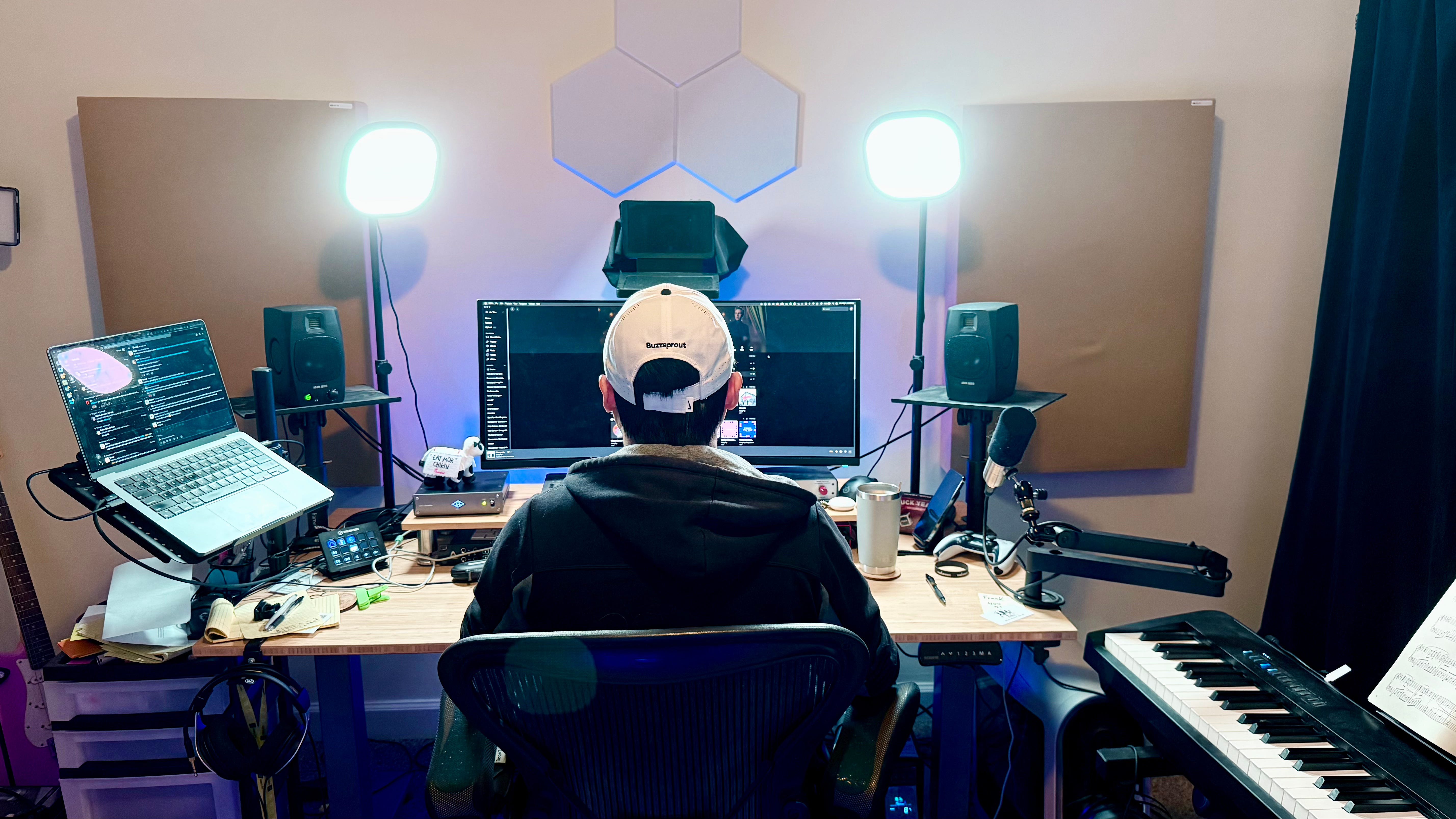
As I am writing this, I am sitting in a quiet room with blackout curtains, staring into the computer screen.
Usually by the end of the week, my hearing is slightly muffled, my ears are ringing, and I can’t wait to go into a quiet room and lock myself in.
In the audio world, our ears are our most valuable tool. Whether it’s recording, mixing, editing, or just seeking inspiration, listening is at the center of everything we do. But like any tool, ears can wear down. Not physically, of course, but through listening fatigue—that slow burn that makes every sound feel duller, harsher, or harder to focus on.
For me, it doesn’t take long. After hours of editing, mixing, listening to music, jumping between meetings, podcasts, and even just socializing and day-to-day living, my ears get tired. It’s like everything I hear is just one-dimensional.
That’s why once a week, I give them a reset.
The Reset Ritual
Here’s what it looks like:
I sit in complete silence for 30–60 minutes.
No white noise machine.
No nature sounds.
No traffic hum.
No headphones.
No music.
I’ll read a book, write, or even stare at the ceiling.
The point is to let my ears rest—and slow down my brain. Rather than having my brain running, I let it take a slow walk—recovery, while still exercising.
After that, I slowly reintroduce sound. Usually classical music, or more recently, the lush arrangements of Cody Fry, especially the cover of Eleanor Rigby (which won a Grammy for the Best Arrangement, Instruments and VocalsBest Arrangement, Instruments and Vocals category).
It’s like rinsing out a glass and pouring in fresh water—the clarity returns, and everything sounds clearer.
*Why Classical Music?
Classical music’s wide dynamic range, natural instrumentation, and gentle pacing help recalibrate your ears after silence—restoring sensitivity to subtle frequencies and contrast. Its calming effect on the nervous system also reduces auditory fatigue, making it the ideal “reset” before diving back into critical listening or creative work.

Why Silence Works
Silence isn’t just an absence of sound; it’s an active reset. Here’s why this practice helps:
Reduces listening fatigue
Our auditory system gets overwhelmed with constant input. Silence allows the hair cells in the ear and the neurons in the brain’s auditory cortex to rest and recalibrate.Sharpens perception
After silence, sounds feel more vibrant. You notice subtleties—texture, space, tonality, images—that might have been masked by fatigue. You see more color in sounds!Boosts creativity
Quiet creates mental room. Without external noise competing for attention, your brain can form connections, generate ideas, and think more clearly.
Supports mental health
Noise—even at low levels—adds stress. A regular practice of silence has been

Who Can Benefit
So this isn’t just for audio engineers or musicians. But anyone in a sound-heavy world—podcasters, broadcasters, video editors, even constant Team/Zoom-call warriors—can gain from a weekly reset.
(Even the keyboard warriors, maybe this will calm them down!)
And honestly, even outside of work, silence is a powerful antidote to the nonstop buzz of modern life. If your day is filled with notifications, chatter, traffic, and background noise, giving your ears and mind a dedicated pause might be the simplest productivity tool you’re not using.

How to Start Your Own Ear Reset
Pick a time once a week — ideally when you won’t be interrupted. (I prefer the weekend or Sunday morning.)
Go truly silent — no “relaxing background sounds,” no ambient music, no earbuds or closed headphones.
Give it 30–60 minutes — read, write, think, or do nothing.
Reintroduce sound mindfully — try classical, acoustic, or instrumental music to notice the contrast.
Pay attention — Identifying the instruments. Notice how much more detail, clarity, and energy your ears bring afterward.

A Small Practice, A Big Payoff
In an industry obsessed with the next plug-ins, the next mic, the next tool—it’s easy to forget that our most important equipment comes built-in: our ears.
Resetting them once a week is a small act of maintenance that pays off in clearer listening, deeper creativity, and better work.
So if you’re in audio—or even if you just want to hear the world a little more clearly—try giving yourself the gift of silence.
Your ears will thank you.